Energy Conservation Tips: Simple Ways to Make Daily Tasks Easier
When you have low energy, even simple tasks can feel hard. Getting dressed, taking a shower, cooking, or doing laundry may leave you feeling worn out.
Energy conservation does not mean doing nothing. It means using your energy in a smarter way so you can do more of the activities that matter to you.
These tips may help people living with fatigue, pain, weakness, shortness of breath, or a long-term health condition.
Remember the 4 Ps of Energy Conservation
1. Plan - Think about what you need to do before you begin.
- Gather your supplies first.
- Plan harder tasks for the time of day when you have the most energy.
- Spread chores across the day or week.
- Allow extra time so you do not need to rush.
- Keep items you use often within easy reach.
A daily or weekly schedule can help you see when you are doing too much at one time.
2. Prioritize - You do not have to complete every task today.
Ask yourself:
- What must be done?
- What can wait?
- What can someone else help with?
- Is there an easier way to complete this task?
Save your energy for the people and activities that matter most to you.
3. Pace Yourself - Work at a steady and comfortable speed.
- Break large jobs into smaller steps.
- Switch between harder and easier tasks.
- Take short rest breaks.
- Rest before you become very tired.
- Avoid trying to finish everything at once.
Think of your energy like the battery in your phone. If you wait until the battery is empty, it takes much longer to recharge.
4. Position Your Body - Your body often uses less energy when it is supported.
- Sit when you can.
- Use both hands to carry or move items.
- Slide heavy objects across a counter instead of lifting them.
- Avoid long periods of bending or reaching.
- Support your arms on a counter or table during longer tasks.
Good body position can also help protect your joints and reduce pain.
Energy Conservation Tips for Bathing and Grooming
Bathing and getting ready can use a lot of energy.
Try these ideas:
- Sit on a shower chair or tub bench.
- Use a handheld showerhead.
- Place soap, shampoo, and towels within easy reach.
- Use a long-handled sponge to wash your back and feet.
- Use warm water instead of very hot water.
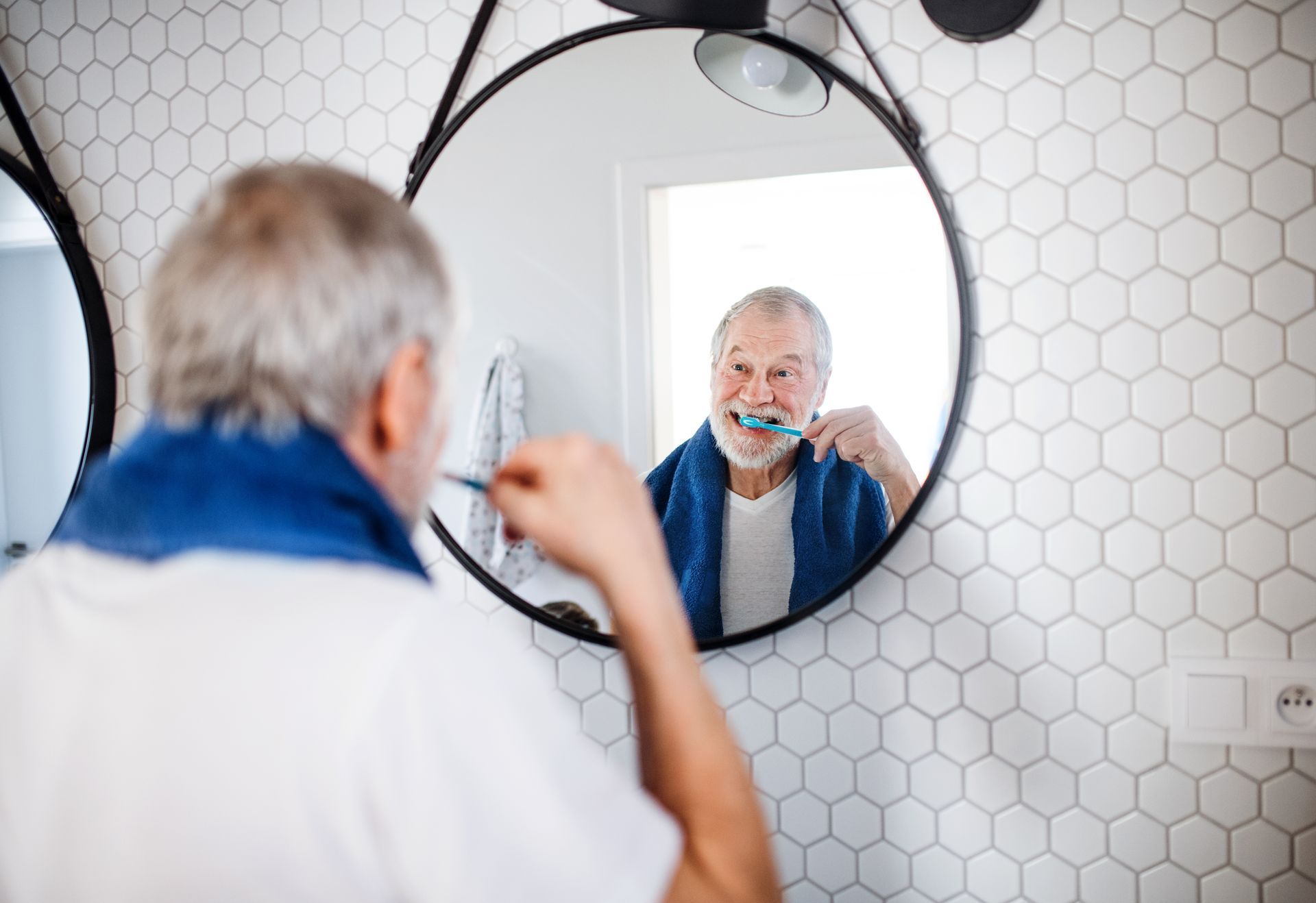
- Sit while brushing your teeth, styling your hair, or applying makeup.
- Support your elbows on the counter when using your arms for several minutes.
- Put on a soft robe and let it help dry your body.
Grab bars and nonslip surfaces may also make bathing safer. Grab bars should be installed correctly and should not be replaced with towel bars.
Energy Conservation Tips for Dressing
Set out your clothing before you begin.
- Sit while getting dressed.
- Choose loose, lightweight clothing.
- Try clothing with simple fasteners.
- Dress your lower body before your upper body.
- Bring your foot toward you instead of bending down.
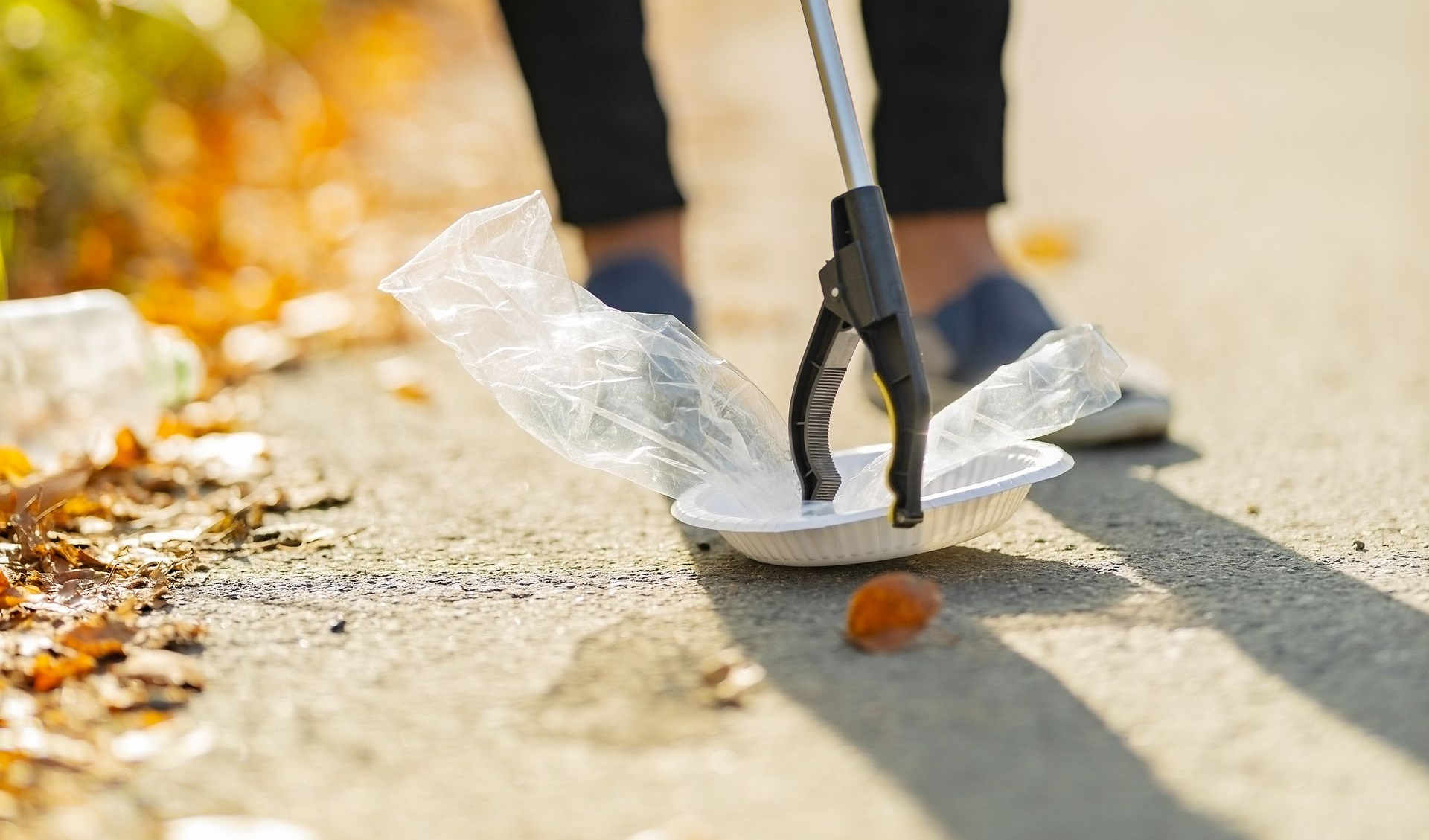
- Use a reacher, dressing stick, sock aid, or long-handled shoehorn if needed.
- Put your underwear and pants on while sitting. Stand once to pull them over your hips.
- Choose slip-on shoes when they are safe for you.
Breathe out when bending, reaching, standing, or pulling clothing into place. Try not to hold your breath.
Ways to Save Energy in the Kitchen
A few small changes can make cooking much easier.
- Sit while cutting food, mixing ingredients, or preparing meals.
- Gather everything before you begin.
- Keep often-used items between waist and shoulder height.
- Store items close to where you use them.
- Slide heavy pans or dishes across the counter.
- Use lightweight cookware.
- Use both hands when moving a heavy pot.
- Choose simple meals with fewer steps.
- Use frozen vegetables, precut foods, or other ready-to-use ingredients.
- Make larger portions and freeze leftovers.
- Try one-pot or slow-cooker meals.
- Let dishes soak instead of scrubbing them right away.
- Allow dishes to air dry.
Using prepared foods or asking for help is not cheating. It is a practical way to save energy.
Making Housework Easier
You do not have to clean the whole house in one day.
- Clean one room or one area at a time.
- Spread chores throughout the week.
- Sit while dusting, folding clothes, or sorting items.
- Use lightweight cleaning tools.
- Choose tools with long handles to reduce bending.
- Keep basic cleaning supplies near the rooms where you use them.
- Let cleaning spray sit for the recommended time before wiping.
- Ask someone else to help with heavy lifting, vacuuming, or moving furniture.
Focus on the areas that need attention most. Your home does not need to be perfect.
Making The Bed
Bed making can involve a lot of bending, lifting, and walking.
- Use fitted sheets.
- Choose a lightweight blanket or comforter.
- Keep clean linens near the bedroom.
- Finish one side of the bed before walking to the other side.
- Sit on the edge of the bed when possible.
- Ask for help with fitted sheets or heavy blankets.
Energy Conservation Tips for Laundry
Laundry includes many different jobs. They do not all need to happen on the same day.
- Use smaller loads or lighter baskets.
- Use a wheeled laundry cart when possible.
- Avoid carrying a heavy basket on stairs.
- Sit while sorting, folding, or treating stains.
- Move wet clothes into the dryer a few pieces at a time.
- Use a reacher if it is hard to reach inside the washer or dryer.
- Ask for help with large items, such as sheets and blankets.
- Choose clothing that does not need ironing.
- Put liquid detergent into a smaller, easy-to-lift container if needed.
Always keep one hand free to hold the railing when using stairs.
Do Not Wait Until You Are Exhausted
A common mistake is waiting until you are very tired before taking a break. Planned rest breaks usually work better.
Your break might include:
- Sitting quietly
- Closing your eyes
- Listening to relaxing music
- Taking slow breaths
- Changing to an easier activity
The goal is to prevent your energy from dropping too low.

How Occupational Therapy Can Help
An occupational therapist can look at how you complete your daily activities and help you find safer, easier ways to do them.
This may include:
- Changing how a task is completed
- Improving the setup of your home
- Teaching joint protection and energy conservation
- Recommending adaptive equipment
- Developing a daily routine
- Helping you balance activity and rest
At Functional Living Solutions Occupational Therapy, your treatment is based on your needs and the activities that matter to you. Learn more about our occupational therapy services.
You can also learn more about pacing and energy management from the Royal College of Occupational Therapists.

Frequently Asked Questions
What does energy conservation mean?
Energy conservation means changing how you complete activities so they require less effort. It can help you save energy for the tasks you need and want to do.
Should I rest whenever I feel tired?
It is often better to plan short breaks before you become very tired. Your occupational therapist can help you find the right balance between activity and rest.
Who may benefit from energy conservation?
These tips may help people with fatigue, chronic pain, arthritis, breathing problems, heart conditions, stroke, neurological conditions, or recovery after an illness or surgery.
Can an occupational therapist recommend helpful equipment?
Yes. An occupational therapist can recommend tools such as a shower chair, reacher, sock aid, long-handled sponge, or wheeled cart. The right equipment depends on your needs and home setup.
When should I talk with my healthcare provider?
Contact your healthcare provider if your fatigue or shortness of breath is new, getting worse, or affecting your ability to complete daily activities.
Recent Posts