

Occupational Therapy After a Stroke: Regaining Independence in Everyday Life

Breanne Shampaine • October 26, 2026

Share this article

After a stroke, everyday tasks can feel harder than they used to. Getting dressed may take longer. Holding a fork may be difficult. Making a meal may feel like too much work.


These changes can be frustrating. You want to do things for yourself and get back to the life you enjoy.

Occupational therapist guiding an older man through an arm exercise with a weighted ball

Occupational therapy after a stroke helps you work toward those goals.

It can help you build skills and learn new ways to do daily tasks. Your care starts with what matters to you.

How Does Occupational Therapy Help After a Stroke?

Occupational therapy, or OT, focuses on daily life. That includes caring for yourself, doing things around the house, and enjoying your hobbies.


Your goals might include putting on your own shirt, making coffee, or using your hand to hold a phone.


Here are some ways OT can help.

Getting Dressed and Caring for Yourself

Buttons, zippers, and sleeves can be tricky after a stroke. Your therapist can help you practice getting dressed, bathing, and grooming.


You may learn a new way to do a task or try a simple tool that makes it easier.

Using Your Arm and Hand

A stroke can make it hard to reach, hold objects, or open your hand. OT may include practice with movements you use every day and using techniques based on research to get that movement back.


For example, you might work on reaching for a cup, holding a washcloth, or picking up small items. Your therapist will choose tasks that fit your needs and abilities.

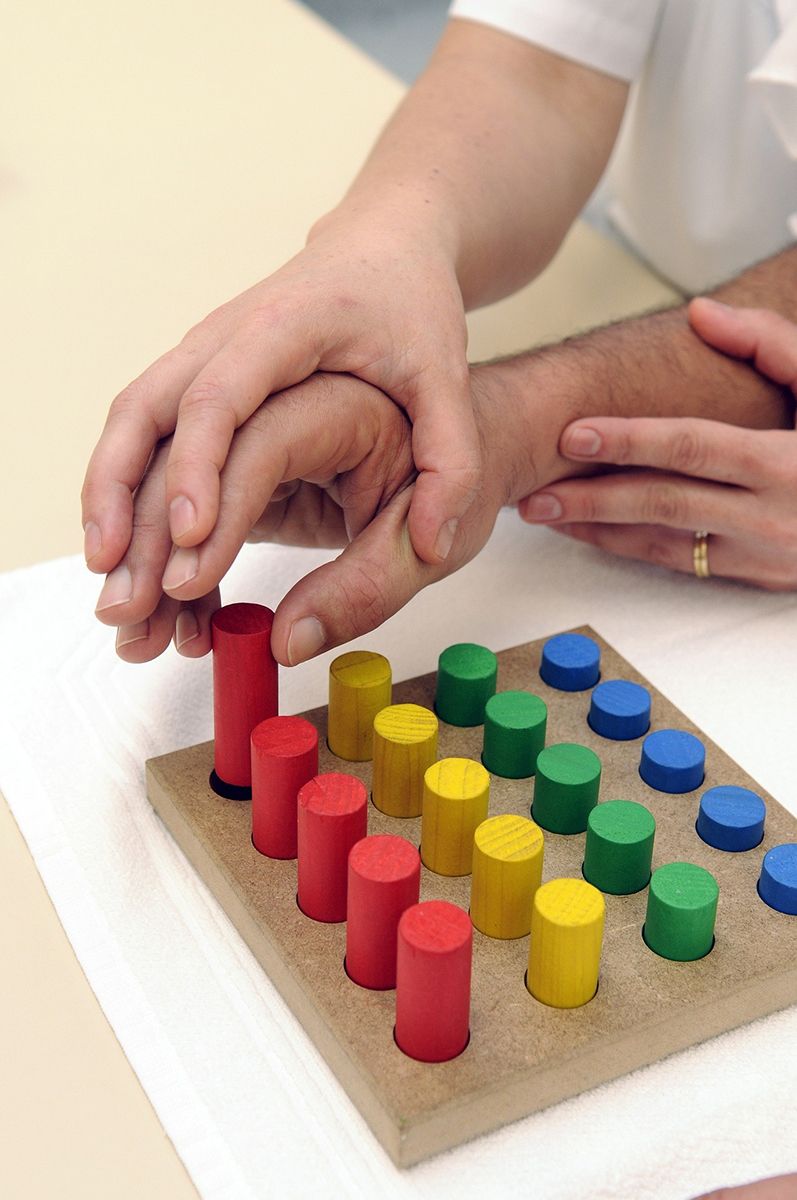
Hands placing colored wooden pegs into a pegboard during an occupational therapy session

Making Daily Routines Easier

A stroke may affect memory, focus, or the ability to follow steps. Your therapist may help you use reminders, checklists, or a simple routine to make tasks easier to manage.

Getting Back to Things You Enjoy

What do you miss doing?


Maybe it is baking, gardening, crafting, or playing games with your family. These activities matter, too. OT can help you find ways to take part in them again.

Helping Your Family Help You

Loved ones often want to help but may not know how. Your therapist can show them ways to support you while giving you time to practice and do what you can for yourself. These are common areas of focus in occupational therapy after a stroke.

Small Steps Can Make a Big Difference

Progress does not look the same for everyone.


Putting on a shirt with less help is progress. Using your affected hand to hold something steady is progress. Taking part in a favorite activity is progress.


Stroke recovery can take weeks, months, or years. Some people have lasting changes. Your goals and care plan should fit your needs as they change over time.

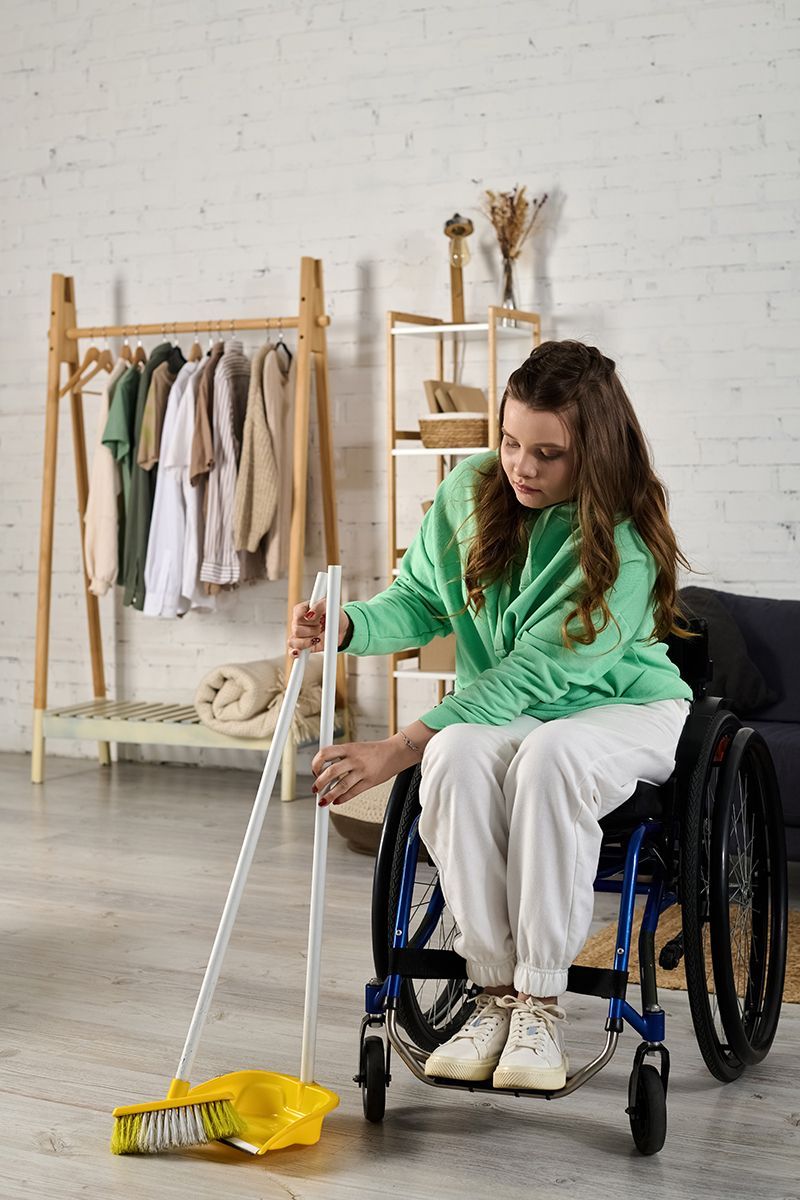
Young woman in a wheelchair sweeping the floor with a broom and dustpan

Can OT Help Months or Years After a Stroke?

Recovery can happen faster in the first few months. But progress can continue later, too. Even if your stroke happened months or years ago, occupational therapy may still help you improve your daily activities and quality of life. Recovery does not have a strict time limit. Your brain can continue to learn and adapt through a process called neuroplasticity.


Insurance plans may cover occupational therapy even if your stroke was years ago. Coverage is generally based on medical necessity and your need for skilled therapy, not simply how long ago your stroke occurred.


If daily tasks are still hard, an OT evaluation may help you explore your options. Your therapist can look at your current skills, talk about your goals, and help decide whether therapy may be useful.

Occupational Therapy for Stroke Recovery in Monroe, Michigan

At Functional Living Solutions Occupational Therapy, your goals guide your care.


I’m Breanne Shampaine, OTRL. My experience includes over 25 years of working with adults, with extensive experience in stroke rehab.


I want to know what your day looks like, what feels hard, and what you would like to do with less help. Together, we can build a plan that focuses on those goals.


To learn more about our one-on-one care, visit Functional Living Solutions Occupational Therapy or call 734-328-1609.


You can also find helpful resources for survivors and families through the American Stroke Association.


355 S. Telegraph Rd., Monroe, MI 48161


Function is what we do. Living is why we do it.

Frequently Asked Questions

  • Can OT help if I have very little hand movement?

    Absolutely! Even if you have very little movement in your hand or arm after a stroke, OT may still help.


    Your occupational therapist will evaluate your current abilities and create a treatment plan based on your needs and goals.


    At Functional Living Solutions Occupational Therapy, we use evidence-based treatment approaches supported by current research to guide your recovery. Treatment may include hands-on techniques, guided exercises, and activities designed to help your brain and muscles work together. Our goal is to use treatments that research has shown may help improve movement and function after a stroke.


    Therapy may focus on improving movement, reducing stiffness, managing muscle tightness, and helping you use your affected arm and hand during everyday activities. We may also recommend a custom orthosis to support your hand, improve positioning, and help prevent complications.


    Even if you do not regain full movement, OT can teach you ways to make everyday tasks easier, protect your affected arm, and become more independent.

  • Will I have activities to practice at home?

    Yes! Practicing at home is an important part of stroke recovery. Your occupational therapist will create a home exercise program based on your abilities and personal goals.


    Your program may include exercises to improve arm and hand movement, strength, coordination, and everyday skills like dressing, cooking, or using household items.


    We understand that recovery takes time, so your activities will be designed to fit into your daily routine without feeling overwhelming.


    The work you do between therapy visits is just as important as the work done in the therapy clinic!

  • How long will I need OT after a stroke?

    Everyone's stroke recovery is different. Some people may need occupational therapy for a few weeks, while others may benefit from several months or longer. The length of therapy depends on your needs, progress, and personal goals. Your therapist will review your goals and progress with you to help decide your next steps.

Recent Posts

Insurance policy terms and conditions document on a desk beside a calculator, glasses, a pen, and a
By Breanne Shampaine • November 2, 2026
Confused by deductibles, copays, and coinsurance? Learn how they work and what to ask your insurance before starting occupational therapy in Monroe, MI.
Blog cover for
By Breanne Shampaine • October 19, 2026
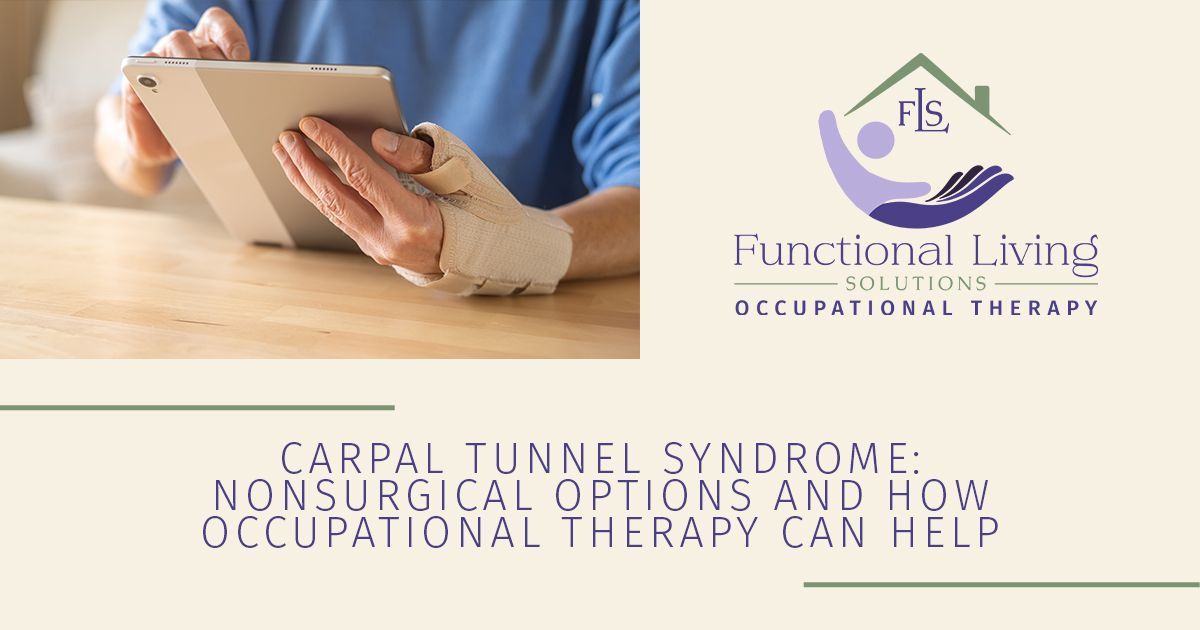
Explore nonsurgical options for carpal tunnel syndrome, from wrist bracing to daily task changes, and how occupational therapy can help.
Blog cover for
By Breanne Shampaine • October 12, 2026
Simple hand care tips to reduce joint stress and make daily tasks easier, plus when it may be time to see an occupational therapist.
Blog cover for
By Breanne Shampaine • October 5, 2026
Learn simple energy conservation tips for bathing, dressing, cooking, cleaning, and laundry. Discover how occupational therapy can make daily tasks easier.
Blog cover for
By Breanne Shampaine • September 4, 2026
Learn the difference between Occupational Therapy and Physical Therapy, and which one may help with your recovery and daily activities.
Physical therapy session photo with logo and text: “What happens during your first occupational therapy visit?”
By Breanne Shampaine • September 4, 2026
Feeling nervous about your first occupational therapy visit? Learn what to bring, what your therapist may check, and what happens during an OT evaluation.
Blog cover: woman holding shoulder in pain with blog title and Functional Living Solutions logo
By Breanne Shampaine • September 4, 2026
Pain, weakness, or stiffness making daily tasks harder? Learn 5 signs it may be time to see an occupational therapist.