Occupational Therapy vs. Physical Therapy: What Is the Difference?
If your doctor has sent you to therapy, you may wonder which kind you need. Do you need Occupational Therapy or Physical Therapy?
Many people are not sure. The two types of therapy have things in common. Both can help you get stronger, move better, and return to the things you enjoy. They often work well together, but they do not have the same focus.
Here is a simple way to think about it. Occupational Therapy helps you do the tasks that are part of your daily life. Physical Therapy often helps you improve the way your body moves.
What is Occupational Therapy?
Occupational Therapy helps people do things each day. These tasks are called occupations. An occupation is not just your job. It can be any activity that is important to you.
Your daily occupations may include:
- Getting dressed and taking a shower
- Cooking and cleaning
- Gardening and reading
- Driving or going into the community
- Working or going to school
- Caring for your home or family
- Taking part in hobbies
An Occupational Therapist looks at the whole picture. This includes your strength, movement, pain, daily routine, home, work, and goals. Treatment is built around helping you be as safe and independent as possible.
The American Occupational Therapy Association explains that Occupational Therapy uses daily life activities to support health and help people take part in the things that matter to them.
What Does Occupational Therapy Work On?
Occupational Therapy can help with many needs, including:
- Shoulder, elbow, wrist, and hand problems
- Weakness or loss of arm use after a stroke
- Dressing, bathing, grooming, and toileting
- Cooking and home tasks
- Fine motor skills and coordination
- Pain, fatigue, and joint protection
- Returning to work, hobbies, or community activities
- Caregiver training
- Adaptive equipment and home changes
For example, you may have good shoulder motion but still have trouble washing your hair or putting on a shirt. You may be able to hold a spoon but have trouble feeding yourself. Occupational Therapy connects your recovery to the real tasks you want to do.
How Does Occupational Therapy Help After a Stroke?
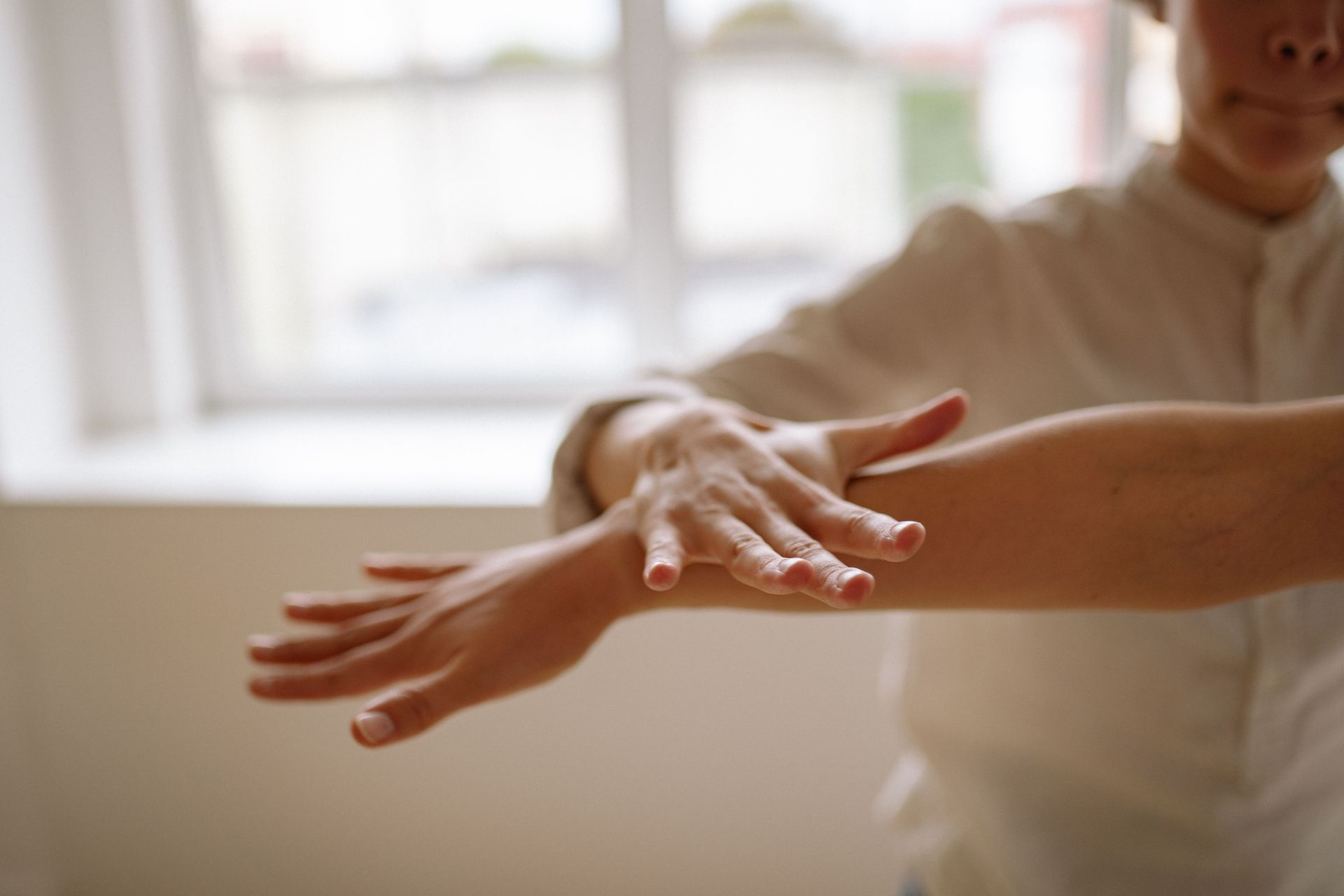
After a stroke, an Occupational Therapist can work with your affected arm to help you regain movement, strength, coordination, and functional use. The goal is to help you use the arm during daily tasks, not just during exercise.
You may practice using your arm while getting dressed, brushing your hair, preparing a snack, or doing a favorite activity. Your Occupational Therapist may also teach new ways to complete a task while your arm is healing.
How Can Adaptive Equipment Help?
Occupational Therapists teach people how to use tools that can make daily tasks safer or easier. These tools are called adaptive equipment.
Examples include:
- A reacher, sock aid, dressing stick, or button hook
- A tub bench or handheld shower
- An electric jar opener
- Large-handled utensils
- A food chopper or right-angled knife
- A plate guard
- A large-handled pen grip
An Occupational Therapist does more than give you a list of products. The therapist helps choose the right tool, checks that it fits your needs, and teaches you how to use it safely.
Functional Living Solutions Occupational Therapy has many of these products in the clinic, so you can try and practice with an item before you decide to buy it.
What is Physical Therapy?
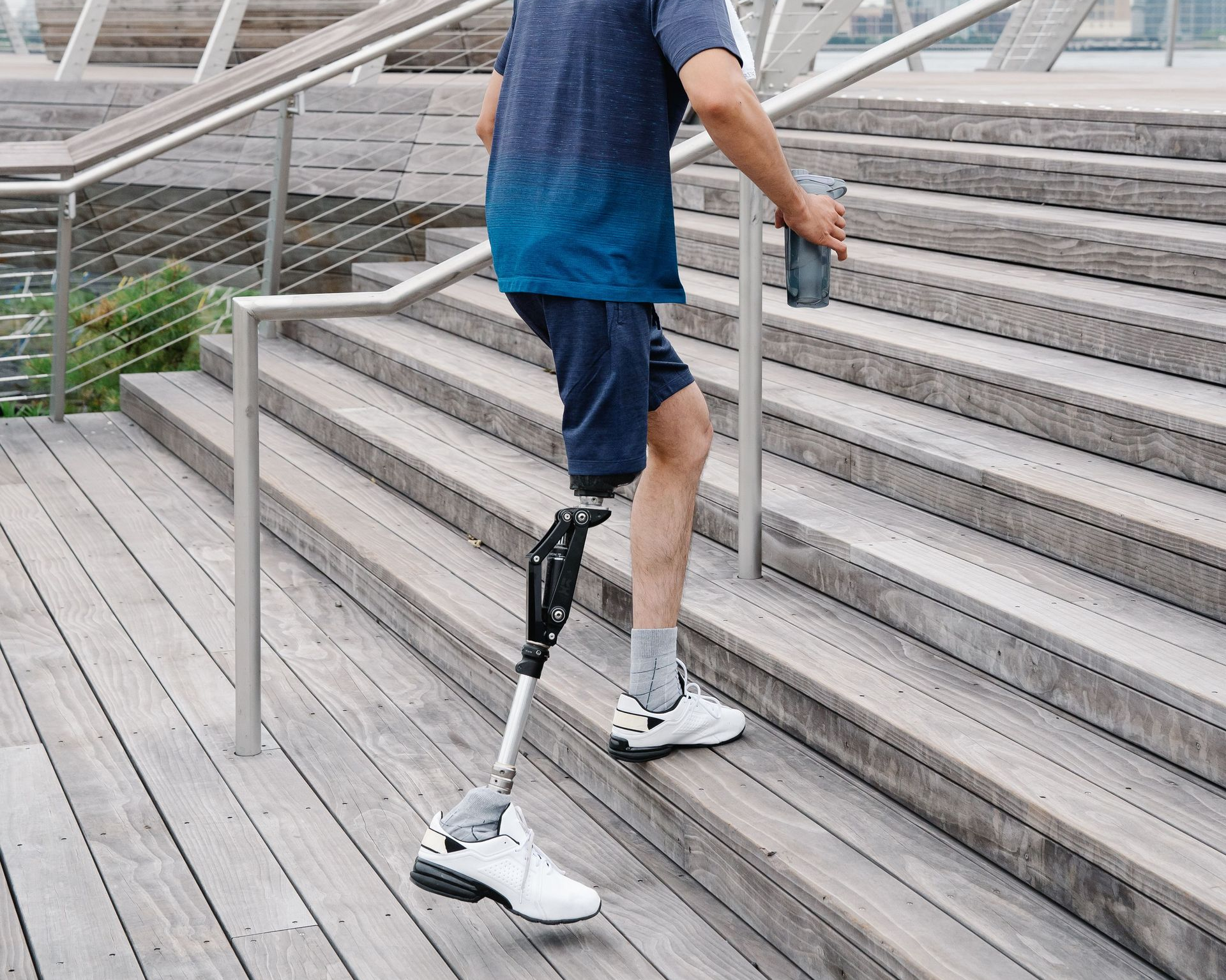
Physical Therapy often focuses on movement, balance, walking, strength, and endurance. It may help when pain, weakness, surgery, or illness makes it hard to move safely.
Physical Therapy may work on:
- Walking and using stairs
- Balance and fall prevention
- Leg strength
- Joint movement
- Endurance
- Getting in and out of a chair or bed
- Recovery after an injury or surgery
For example, after a knee replacement, a Physical Therapist may help you improve knee movement, leg strength, walking, and stair use. After a stroke, Physical Therapy may focus on standing, balance, walking, and safe transfers.
How Are Occupational Therapy and Physical Therapy Alike?
Both are forms of rehabilitation. Both therapists complete an evaluation, listen to your goals, and make a treatment plan for you. Both may use exercise, hands-on care, daily activities, and education.
There can also be overlap between Occupational Therapy and Physical Therapy. The scope of both professions allows trained therapists to work on similar body parts, for example, the shoulder and hand. Both Occupational Therapists and Physical Therapists can choose areas of specialty. They may build their skills through experience, continuing education, advanced training, and specialty certifications.
Areas of specialty may include hand and upper-extremity rehabilitation, neurological rehabilitation, stroke recovery, sports rehabilitation, vestibular therapy, pelvic health, pediatrics, geriatrics, wound care, lymphedema, chronic pain, and orthopedic rehabilitation. Not every therapist treats every condition. It is always okay to ask about a therapist's training, certifications, and experience with your needs.
After a stroke, an Occupational Therapist may help you regain use of your arm for dressing and meal preparation. A Physical Therapist may help you stand, walk, and move from one place to another. You may need one type of therapy or both.
Which Type of Therapy Do I Need?
Occupational Therapy may be right for you if you have trouble using your arm or hand or doing daily tasks. Physical Therapy may be right for you if your main concerns are walking, balance, leg strength, or neck or back problems.
Still not sure? That is okay. A healthcare provider or therapist can help guide you. You can also contact Functional Living Solutions Occupational Therapy to talk about what you are having trouble doing.
At Functional Living Solutions Occupational Therapy, your goals guide your care. Therapy is not only about doing exercises. It is about helping you get back to your life.
Frequently Asked Questions
Can I Need Both Occupational Therapy and Physical Therapy?
Yes. Some people benefit from both. Each type of therapy can work on a different part of your recovery.
Does Occupational Therapy Only Help People Return to Work?
No. Occupational Therapy can help with any daily activity that you need or want to do, including self-care, home tasks, work, and hobbies.
Can Occupational Therapy Treat My Shoulder, Arm or Hand?
Yes. Occupational Therapists often treat problems that affect the shoulder, elbow, wrist, and hand.
Can Occupational Therapy Help After a Stroke?
Yes. Occupational Therapy can help you regain arm movement, strength, coordination, and functional use. It can also help you become safer and more independent with daily tasks.
This article is for general education. It does not replace a medical evaluation or personal treatment advice.
Recent Posts