


Carpal Tunnel Syndrome: Nonsurgical Options and How Occupational Therapy Can Help
Do your fingers tingle when you hold your phone? Does hand numbness wake you up at night? You may wonder if carpal tunnel syndrome is the cause.
These symptoms can make daily tasks frustrating. Getting dressed, cooking, driving, writing and working may feel harder than they should.
Some people find relief without surgery, especially when symptoms are mild. Occupational therapy can help you explore ways to use your hands with more comfort.

What Is Carpal Tunnel Syndrome?
The carpal tunnel is a small space in your wrist. A nerve called the median nerve passes through it.
When this nerve gets squeezed, you may feel numbness, tingling, or pain. These symptoms often affect the thumb, index finger, middle finger, and the thumb side of the ring finger.
Pressure on the nerve can happen for several reasons. These include repeated hand movements, the shape and size of your wrist, and health conditions such as diabetes or arthritis.
Nonsurgical Options for Carpal Tunnel Syndrome
Your treatment plan depends on your symptoms and how well the nerve is working. Common options include a wrist brace, changes to daily tasks, and sometimes a steroid shot.
Wearing a Wrist Brace at Night
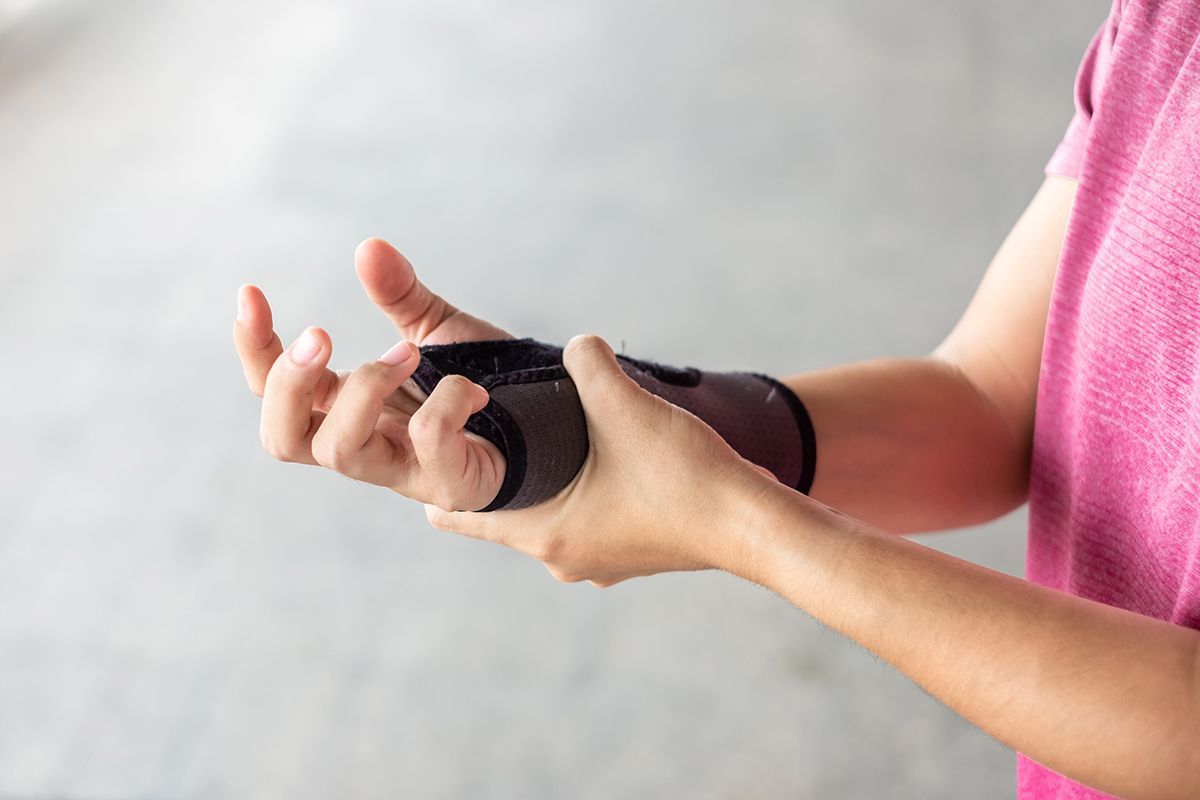
Many people sleep with their wrists bent. A wrist brace can help keep your wrist straight while you sleep. This may ease pressure on the nerve.
An occupational therapist can help you choose a brace, check its fit, and learn when to wear it.

Changing Tasks That Trigger Symptoms
Notice when tingling starts. Does it happen while driving, holding a phone, or using a tool?
Your therapist can help you find ways to change those tasks. The goal is to limit positions and movements that bring on symptoms.
Talking With Your Doctor About a Steroid Shot
A steroid shot may ease symptoms for a time. It does not provide a lasting fix for everyone. Your doctor can help you decide whether this option fits your needs.
How Occupational Therapy Can Help
Occupational therapy focuses on the things you need and want to do each day. For carpal tunnel syndrome, that means looking beyond your wrist to understand how symptoms affect your life.
Looking at Your Daily Routine
Your therapist may ask:
- Which tasks cause numbness or tingling?
- Are symptoms affecting your sleep?
- What feels harder at home or work?
- Have you noticed changes in how you grip or hold things?
Your answers help shape a plan around your goals.
Finding Easier Ways to Use Your Hands
Small changes can make daily tasks easier to manage. Depending on your needs, your therapist may suggest:
- Using a phone stand instead of holding your phone.
- Adjusting your keyboard and mouse position.
- Using both hands to carry an item.
- Trying tools with larger, easier-to-hold handles.
- Taking short breaks during tasks that trigger symptoms.
- Use an electric jar opener instead of manually opening a jar

Choosing Exercises With Care
Some people may benefit from gentle nerve or tendon gliding exercises. These are controlled movements, not forceful stretches.
Your therapist can help decide whether exercises are right for you and teach you how to do them. They should be part of a plan based on your symptoms. Do not push through increased pain or tingling.
Exercises are not a proven lasting fix for carpal tunnel syndrome. Therapy should also focus on daily function, brace use, and watching for changes that need medical care.
When Should You Seek Medical Care?
Hand numbness can have more than one cause. A medical exam can help you find out what is happening.
Get checked promptly if numbness stays constant, weakness gets worse, or the muscles at the base of your thumb look smaller. Severe carpal tunnel syndrome may need surgery to protect the nerve.
Occupational Therapy for Carpal Tunnel Syndrome in Monroe, Michigan
At Functional Living Solutions Occupational Therapy, we focus on what matters to you. Whether you want to sleep more comfortably, cook a meal, or manage tasks at work, your goals guide your care.
Visit Functional Living Solutions Occupational Therapy to learn more, or call 734-328-1609 to discuss scheduling.
For more information about the condition, read the American Academy of Orthopaedic Surgeons’ guide to carpal tunnel syndrome.
Function is what we do. Living is why we do it.
Frequently Asked Questions
Can carpal tunnel syndrome improve without surgery?
Yes! Many people with mild to moderate carpal tunnel syndrome can find relief without surgery. Occupational therapy can help reduce pain, numbness, and tingling while improving hand function. Severe symptoms or symptoms that do not improve may need surgery.
Can occupational therapy help with carpal tunnel syndrome?
OT can help reduce the pain, numbness, and tingling caused by carpal tunnel syndrome while improving your ability to use your hands during everyday activities using evidence based treatment. OT can also help with brace fit, changes to daily tasks, and a care plan built around your needs. Your therapist can also watch for changes that need a doctor’s attention.
Should I squeeze a ball to strengthen my hand?
Not necessarily! While squeezing a ball may help improve grip strength for some conditions, it is not always the best exercise for carpal tunnel syndrome. In some cases, repeated or forceful squeezing can increase pressure on the median nerve and make symptoms like numbness, tingling, and pain worse.
Why is carpal tunnel syndrome worse at night?
Carpal tunnel syndrome often feels worse at night because of how we position our wrists while sleeping. Many people bend their wrists without realizing it, which can increase pressure on the median nerve. This may cause numbness, tingling, pain, or a burning feeling in the hand and fingers. Some people even wake up needing to shake their hands to get relief.