Having Trouble Getting Dressed? Simple Tips and Adaptive Equipment That Can Help

Breanne Shampaine • November 16, 2026

Share this article

Getting dressed is something most of us do every day without much thought. We put on our socks, button our shirts, pull up our pants, and head out the door.


But what happens when these simple tasks become difficult?


Maybe arthritis makes it painful to button your shirt. Perhaps shoulder pain makes it hard to put on a jacket. Or maybe you have trouble reaching your feet after surgery.


For someone recovering from a stroke, getting dressed may take much longer than it once did.


The good news is that there are simple tips, tools, and techniques that can make getting dressed easier and safer.


Occupational therapy can help you learn these skills so you can continue doing more for yourself.

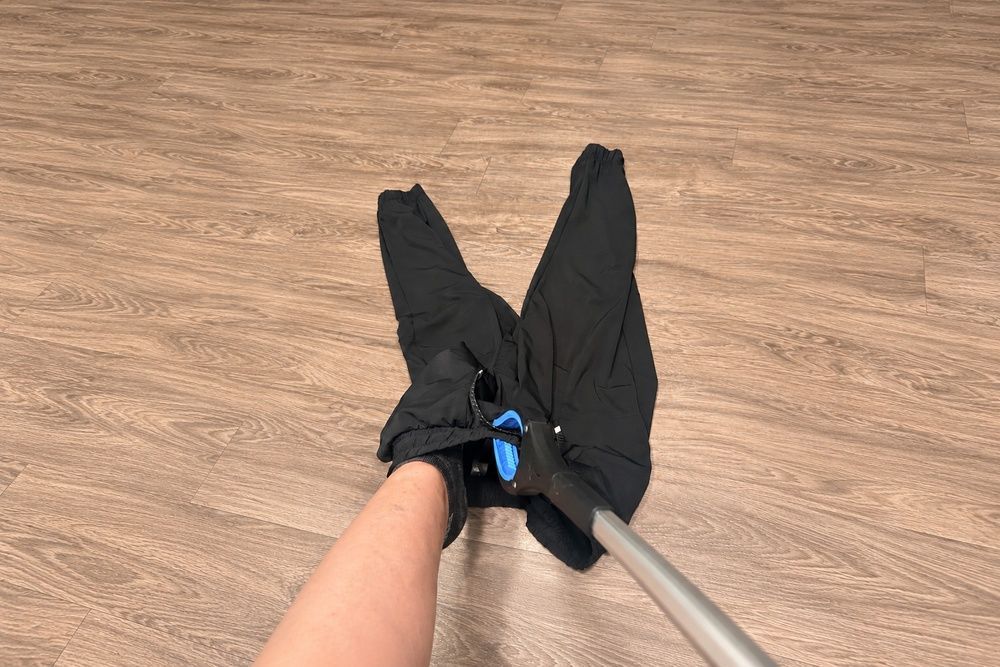
Person using a blue reacher to pull pants over their foot while sitting

Why Does Getting Dressed Become Difficult?

Many health conditions can affect your ability to dress yourself.


Some common reasons include:

  • Arthritis: Pain, swelling, and stiff fingers can make buttons and zippers difficult.
  • Stroke: Weakness or limited use of one side of the body can make dressing harder.
  • Shoulder injuries or surgery: Reaching overhead or behind your back may be painful.
  • Hand weakness: Poor grip strength can make it difficult to hold and pull clothing.
  • Balance problems: Standing to put on pants or shoes can increase the risk of falling.
  • Joint replacement surgery: Temporary movement limits may make it hard to reach your feet.


No matter the cause, there may be a better way to complete the task.

What Is Adaptive Equipment for Dressing?

Adaptive equipment includes simple tools that help make everyday tasks easier.


These tools can help you get dressed when you have pain, weakness, limited movement, or trouble bending.


You may be surprised at how much a small piece of equipment can help!


Here are some of the most useful dressing aids.


1. Button Hook: Help for Stiff or Painful Fingers


Have you ever struggled with those tiny buttons on a dress shirt?


A button hook may help.


This tool has a handle with a small wire loop. The loop goes through the buttonhole, catches the button, and helps pull it through.


Who may benefit?

  • People with arthritis
  • People with weak hands
  • People with poor finger control
  • People who have difficulty using both hands


A button hook can help you wear your favorite shirts without needing someone else to fasten them.

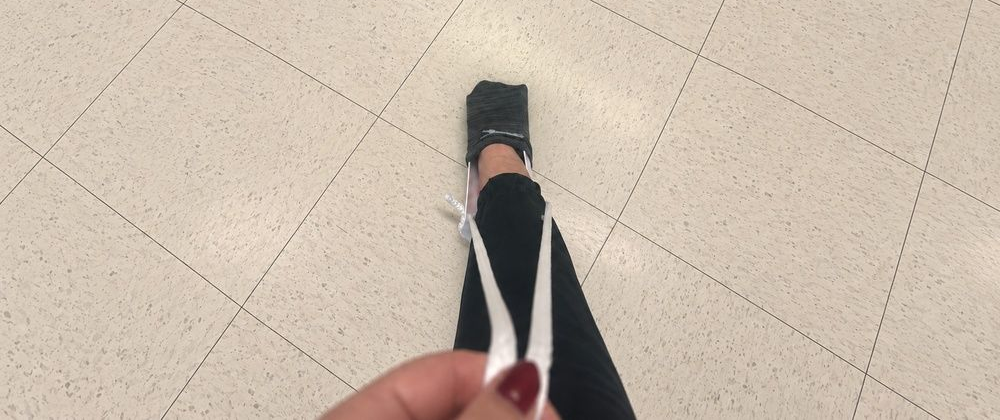
Person using a sock aid with long straps to put a sock on their foot

2. Sock Aid: Put on Socks Without Bending Over


If reaching your feet is difficult, a sock aid may make your morning routine much easier.


A sock aid holds your sock open. You slide your foot into the sock and use long straps to pull it into place.


This tool can be helpful for people with:

  • Hip or knee limitations
  • Back pain
  • Limited flexibility
  • Difficulty reaching their feet


There are several types of sock aids. An occupational therapist can help you choose one that works best for you.


3. Long-Handled Shoehorn: Make Shoes Easier to Put On


Bending over to put on shoes can be painful or difficult.


A long-handled shoehorn helps guide your heel into your shoe without having to bend as far.


Pairing it with elastic shoelaces or easy-to-fasten shoes can make the task even easier.


Remember to choose shoes that fit well and stay secure on your feet.


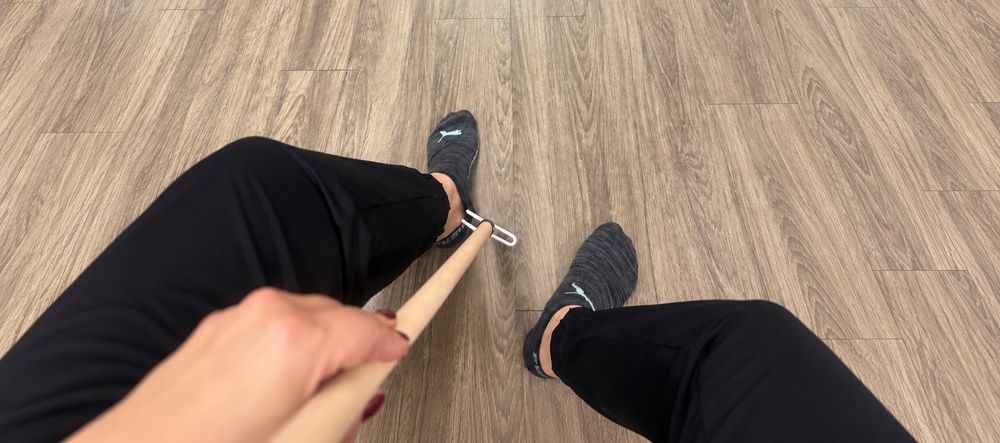
4. Dressing Stick: A Helping Hand for Clothing


A dressing stick is a long tool with a hook on the end.


It can help you:

  • Pull a jacket over your shoulders
  • Remove a shirt or sweater
  • Pull pants into position
  • Push socks off your feet


This tool may be helpful if you have limited shoulder movement, weakness, or difficulty reaching.


5. Reacher: Reduce Bending and Stretching


A reacher, sometimes called a grabber, is another useful tool.


You can use it to pick up clothing from the floor, reach for items, or help guide pants over your feet.


A reacher may be especially helpful after certain surgeries or when bending is difficult.


However, it should never be used to support your body weight or help you stand.


6. Zipper Pulls and Elastic Shoelaces


Sometimes the smallest changes make the biggest difference.


Adding a larger ring or pull tab to a zipper can make it easier to grasp.


Elastic shoelaces allow many lace-up shoes to be worn without tying them each time.


Clothing with magnetic closures, easy-to-grasp fasteners, or elastic waistbands may also help reduce frustration.


Simple Dressing Tips You Can Try Today


You do not always need special equipment to make dressing easier.


Sometimes changing how you perform a task is enough.


Try these simple tips:

  1. Sit down while dressing. Sitting in a sturdy chair with back support can help reduce the risk of falls.
  2. Lay out your clothes first. Place everything within easy reach before getting started.
  3. Choose easy-to-wear clothing. Loose-fitting shirts, elastic waistbands, and front-closing clothing can be easier to manage.
  4. Take your time. Rushing can lead to frustration, pain, or loss of balance.
  5. Dress your weaker arm or leg first. This technique is often helpful after a stroke or injury. When undressing, remove clothing from the stronger side first.
  6. Avoid painful movements. If dressing causes pain, try another technique or ask an occupational therapist for guidance.


If you have recently had surgery, always follow your surgeon's movement and lifting precautions.
Person holding a wooden dressing stick with a hook end near their sock

How Can Occupational Therapy Help With Dressing?

At Functional Living Solutions Occupational Therapy in Monroe, Michigan, we understand how important it is to do everyday activities on your own.


Getting dressed is about more than putting on clothes. It is about privacy, confidence, and independence.


An occupational therapist can look at what makes dressing difficult and help you find ways to improve.


Treatment may include:

  • Improving hand and grip strength
  • Increasing shoulder and arm movement
  • Practicing buttons, zippers, and clothing fasteners
  • Learning one-handed dressing techniques after a stroke
  • Improving coordination and hand control
  • Practicing safe sitting and standing during dressing
  • Learning to use adaptive dressing equipment
  • Finding ways to reduce pain during daily activities

Try Adaptive Dressing Equipment Before You Buy

Not sure which dressing aid is right for you? You don't have to figure it out on your own!


At Functional Living Solutions Occupational Therapy, we have a variety of adaptive dressing tools available for you to try during your treatment sessions.


You can practice using sock aids, button hooks, dressing sticks, reachers, and other helpful equipment with guidance from an occupational therapist.


This gives you a chance to see what works best for your needs before spending money on equipment you may not need.


Our goal is to help you find the tools and techniques that make getting dressed easier, safer, and more independent.


We can also teach family members and caregivers ways to help while still encouraging independence.


You Don't Have to Give Up Your Independence


If getting dressed has become painful, tiring, or frustrating, you do not have to simply accept it.


Sometimes a small change in technique or a simple piece of equipment can make a big difference.


And sometimes you may need help improving your strength, movement, or coordination.


That is where occupational therapy comes in.


At Functional Living Solutions Occupational Therapy, we help adults and teens improve the skills needed for everyday life.


For more information about getting dressed after a stroke, visit the American Stroke Association.


Having trouble with everyday tasks? Contact Functional Living Solutions OT to learn how occupational therapy may help you stay independent.


Call 734-328-1609 or visit www.FunctionalLivingSolutionsOT.com.


Function is what we do. Living is why we do it.

Frequently Asked Questions About Dressing Aids and Occupational Therapy

  • What is adaptive equipment for dressing?

    Adaptive equipment includes tools such as sock aids, button hooks, reachers, and dressing sticks. These tools help people get dressed more easily when they have pain, weakness, or limited movement.

  • Can occupational therapy help me get dressed on my own again?

    Yes! Occupational therapy can help improve strength, coordination, movement, and daily living skills. An OT can also teach easier ways to dress and recommend helpful equipment.

  • Do I need to buy adaptive equipment before starting OT?

    No! At Functional Living Solutions OT, you can try different types of adaptive dressing equipment during your treatment sessions. This helps you find what works best before making a purchase.

  • Can outpatient occupational therapy help after a stroke?

    Yes. Outpatient OT can help you practice dressing, improve arm and hand function, and learn ways to complete daily tasks with greater independence.

Recent Posts

Hands slicing a tomato with a knife on a green cutting board in a kitchen
By Breanne Shampaine • November 9, 2026
How long can you have occupational therapy? Learn how visit limits, Medicare maintenance therapy, and your goals decide when OT ends. Monroe, MI.
Insurance policy terms and conditions document on a desk beside a calculator, glasses, a pen, and a
By Breanne Shampaine • November 2, 2026
Confused by deductibles, copays, and coinsurance? Learn how they work and what to ask your insurance before starting occupational therapy in Monroe, MI.
Occupational therapist helping a woman in a wheelchair with resistance band arm exercises, Functiona
By Breanne Shampaine • October 26, 2026
Occupational therapy after a stroke helps you regain independence with dressing, cooking, and daily tasks. See how OT supports recovery in Monroe, MI. (150 characters)
Blog cover for
By Breanne Shampaine • October 19, 2026
Explore nonsurgical options for carpal tunnel syndrome, from wrist bracing to daily task changes, and how occupational therapy can help.
Blog cover for
By Breanne Shampaine • October 12, 2026
Simple hand care tips to reduce joint stress and make daily tasks easier, plus when it may be time to see an occupational therapist.
Blog cover for
By Breanne Shampaine • October 5, 2026
Learn simple energy conservation tips for bathing, dressing, cooking, cleaning, and laundry. Discover how occupational therapy can make daily tasks easier.
Blog cover for
By Breanne Shampaine • September 4, 2026
Learn the difference between Occupational Therapy and Physical Therapy, and which one may help with your recovery and daily activities.
Physical therapy session photo with logo and text: “What happens during your first occupational therapy visit?”
By Breanne Shampaine • September 4, 2026
Feeling nervous about your first occupational therapy visit? Learn what to bring, what your therapist may check, and what happens during an OT evaluation.
Blog cover: woman holding shoulder in pain with blog title and Functional Living Solutions logo
By Breanne Shampaine • September 4, 2026
Pain, weakness, or stiffness making daily tasks harder? Learn 5 signs it may be time to see an occupational therapist.