

Hand Care Tips: Simple Ways to Protect Your Hands

Breanne Shampaine • October 12, 2026

Share this article

Your hands work hard every day. You use them to cook, get dressed, work, drive, garden, use your

phone, and carry things.


All of that gripping, pinching, lifting, and twisting can add up over time. If you already have hand pain,

arthritis, weakness, or stiffness, everyday tasks may start to feel harder.


The good news is that small changes can help. These simple hand care tips can reduce stress on your

joints and make daily activities easier.

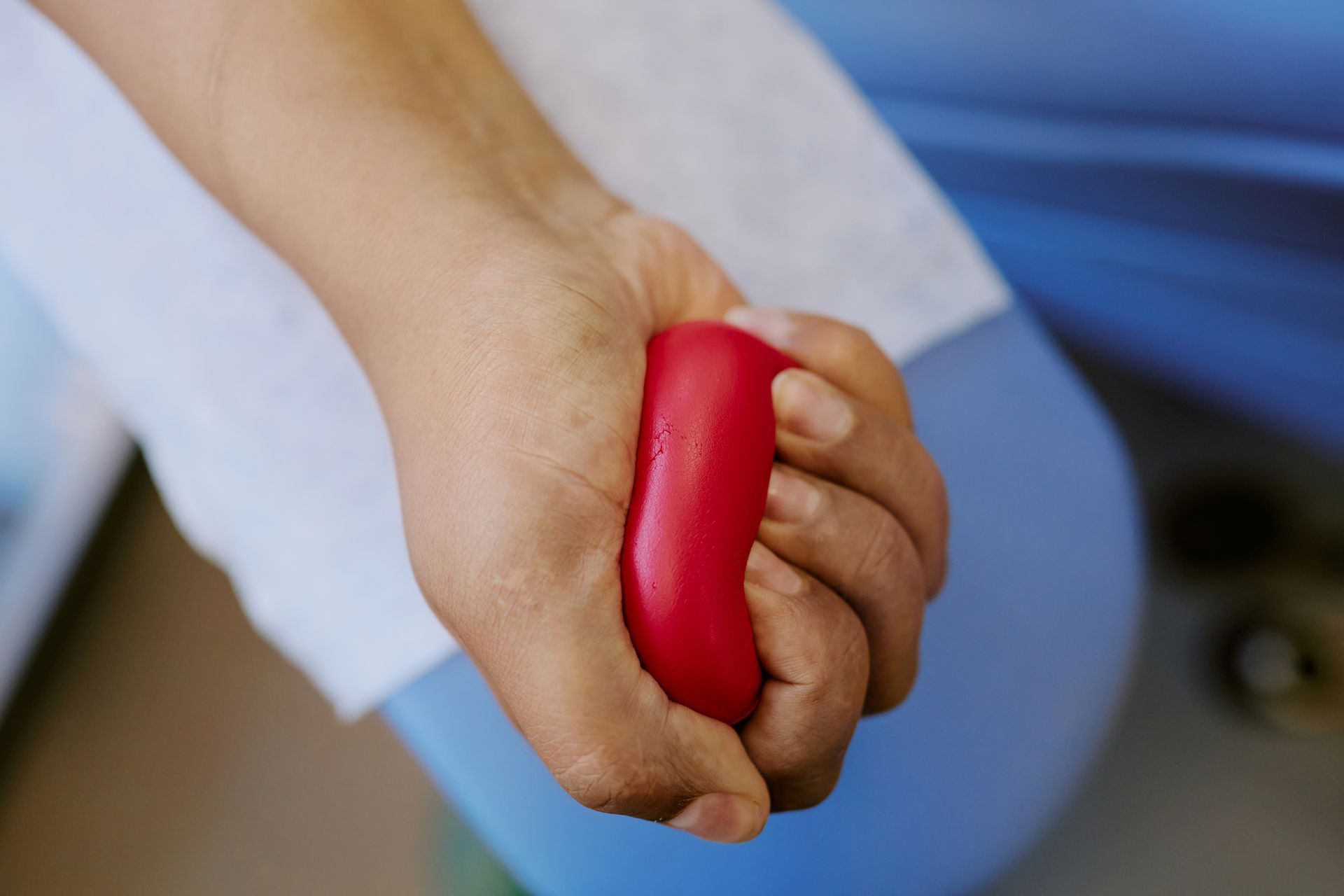
Person squeezing a therapy ball to strengthen hand grip

1. Listen to Your Hands

Pain is a sign that your hand may need a break.


If an activity causes pain, stop and look at how you are doing it. You may need to rest, change your grip,

use another tool, or find an easier way to do the task.


Try not to push through pain that keeps getting worse.

2. Take Breaks During Repetitive Tasks

Your hands can get tired when you use them the same way over and over.


This can happen during activities like:

  • Gardening
  • Sewing
  • Knitting
  • Cooking
  • Computer work
  • Crafts
  • Using tools


Take short breaks during these activities. Stretch your fingers, change your position, and give your hands

time to rest.


You can also break a big job into smaller parts instead of doing everything at once.

3. Avoid Tight Gripping and Pinching

Tight gripping can place extra stress on the small joints in your hands.


Try these simple changes:

  • Carry grocery bags from the bottom instead of gripping thin handles.
  • Use two hands when carrying heavier items.
  • Use a kitchen utensils or pens with a larger or softer grip.
  • Choose pump bottles instead of hard-to-squeeze bottles.
  • Avoid holding a book, phone, or tablet in one position for a long time.


These small changes can help protect your hand joints.

4. Do Not Use Your Hand as a Tool

We often use our fingers for jobs that a tool could do better.


Instead of forcing your hands to work harder, use the right tool for the job.


For example:

  • Use scissors to open packages.
  • Use a letter opener for envelopes.
  • Use a staple remover instead of your fingernails.
  • Use pliers when you need a strong pinch.
  • Use a jar opener for tight lids.
  • Consider an electric can opener instead of a manual one.


This can reduce stress on painful or weak hands.

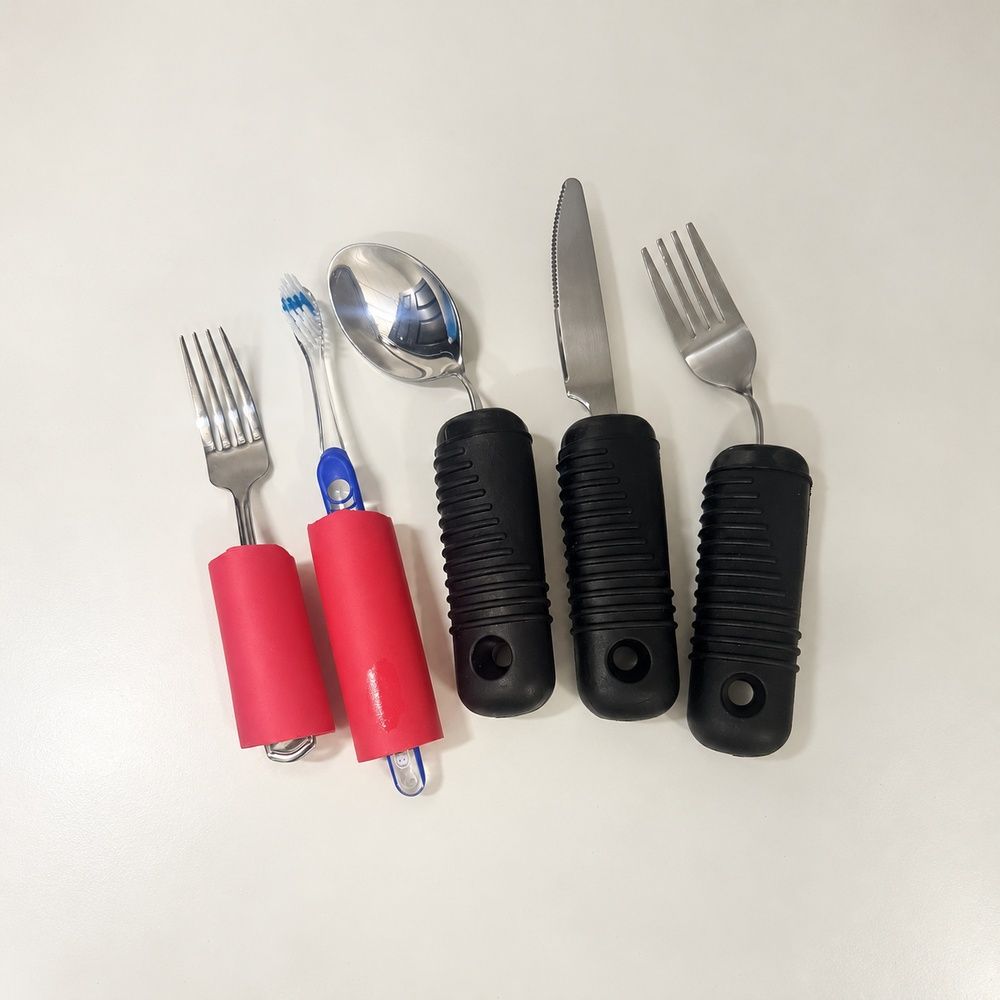
5. Make Handles Easier to Hold

Small, thin handles can be hard to grip.


Adding a larger grip can make many items easier to use.


You can add foam tubing or padded grips to things like:

  • Pens and pencils
  • Toothbrushes
  • Forks and spoons
  • Kitchen tools
  • Paintbrushes
  • Gardening tools


You can also look for lightweight tools with larger handles.

6. Try Adaptive Equipment

Adaptive equipment can make daily tasks easier and help protect your joints.


Helpful tools may include:

  • Jar openers
  • Key turners
  • Doorknob grips
  • Faucet handle extenders
  • Book or tablet stands
  • Playing card holders
  • Lightweight kitchen tools
  • Cutting boards that help hold food in place


You do not always need special or expensive equipment. Sometimes changing the way you do a task is

enough.

Person using a knife to cut mushrooms while preparing a meal

7. Use Larger Joints When You Can

Your larger joints can often handle more stress than the small joints in your fingers.


For example, carry a bag over your forearm or shoulder instead of holding it with your fingers.


Use both hands when lifting larger items.


These simple joint protection techniques can help reduce hand pain and strain.

When Should You Get Help for Hand Pain?

Some hand soreness may improve with rest and simple changes. But hand pain should not stop you from doing the things you need or want to do.


It may be time to talk with a healthcare provider or occupational therapist if you have:

  • Hand or wrist pain that does not improve
  • Swelling
  • Numbness or tingling
  • Weakness
  • Trouble opening jars or containers
  • Frequent dropping of objects
  • Stiffness
  • Trouble dressing, cooking, writing, working, or doing hobbies


Occupational therapy can help you find easier ways to use your hands during daily activities. Treatment may include exercises, joint protection tips, activity changes, strengthening, and adaptive equipment.


At Functional Living Solutions Occupational Therapy, we focus on helping you use your hands and arms more comfortably during the activities that matter to you.


You can also learn more about how occupational therapy helps with daily activities in our Occupational Therapy vs. Physical Therapy blog.


For more information about arthritis and joint care, the Arthritis Foundation offers helpful patient education and resources at arthritis.org.

Frequently Asked Questions

  • What is joint protection?

    Joint protection means changing how you do an activity to place less stress on your joints. This may include using larger joints, taking breaks, avoiding tight gripping, or using adaptive equipment.

  • Can occupational therapy help with hand pain?

    Yes. Occupational therapy can help with many problems that affect the hand, wrist, arm, and shoulder. An occupational therapist can look at your pain, strength, movement, and daily activities and help you find ways to improve function.

  • Should I exercise my hands if they hurt?

    It depends on what is causing the pain. Gentle movement may help some problems, but some exercises can make certain conditions worse. If your pain keeps coming back, talk with a healthcare provider or occupational therapist before starting a new exercise program.

  • What are some simple tools for hand arthritis?

    Jar openers, larger handles, key turners, button hooks, zipper pulls, large handled utensils, lightweight kitchen tools, book stands, and pump-style bottles can all help reduce stress on painful joints.

  • When should I see an occupational therapist for hand pain?

    Consider seeing an occupational therapist if hand pain, weakness, stiffness, numbness, or tingling is making daily tasks harder.

Recent Posts

Insurance policy terms and conditions document on a desk beside a calculator, glasses, a pen, and a
By Breanne Shampaine • November 2, 2026
Confused by deductibles, copays, and coinsurance? Learn how they work and what to ask your insurance before starting occupational therapy in Monroe, MI.

Occupational therapist helping a woman in a wheelchair with resistance band arm exercises, Functiona
By Breanne Shampaine • October 26, 2026
Occupational therapy after a stroke helps you regain independence with dressing, cooking, and daily tasks. See how OT supports recovery in Monroe, MI. (150 characters)
Blog cover for
By Breanne Shampaine • October 19, 2026
Explore nonsurgical options for carpal tunnel syndrome, from wrist bracing to daily task changes, and how occupational therapy can help.
Blog cover for
By Breanne Shampaine • October 5, 2026
Learn simple energy conservation tips for bathing, dressing, cooking, cleaning, and laundry. Discover how occupational therapy can make daily tasks easier.

Blog cover for
By Breanne Shampaine • September 4, 2026
Learn the difference between Occupational Therapy and Physical Therapy, and which one may help with your recovery and daily activities.
Physical therapy session photo with logo and text: “What happens during your first occupational therapy visit?”
By Breanne Shampaine • September 4, 2026
Feeling nervous about your first occupational therapy visit? Learn what to bring, what your therapist may check, and what happens during an OT evaluation.

Blog cover: woman holding shoulder in pain with blog title and Functional Living Solutions logo
By Breanne Shampaine • September 4, 2026
Pain, weakness, or stiffness making daily tasks harder? Learn 5 signs it may be time to see an occupational therapist.