5 Signs It Might Be Time to See an Occupational Therapist
Are pain, weakness, or stiffness making daily tasks harder? Are you using your arm or hand less than you used to? You may be wondering if occupational therapy could help.
Many people wait until a problem becomes severe before asking for help. However, you do not need to wait until you can no longer complete an activity.
Occupational therapy helps people take part in everyday life. This may include getting dressed, cooking, working, driving, caring for your home, enjoying hobbies, or returning to activities after an injury, surgery, illness, or stroke.
Here are five signs that it may be time to schedule an occupational therapy evaluation.

1. Pain Is Making Daily Activities Harder
Pain in your shoulder, elbow, wrist, or hand can affect many parts of your day.
· Reaching into a cupboard
· Getting dressed
· Washing or styling your hair
· Preparing a meal
· Opening jars or containers
· Carrying groceries
· Driving
· Working
· Gardening
· Sleeping comfortably
You may also notice that you are changing how you complete a task. For example, you may use your other arm more often or avoid lifting certain items.
An occupational therapist can look at how your arm moves and how pain affects your daily activities. Treatment may include hands-on care, exercises, changes to how you complete a task, joint protection, and education.
The goal is not only to reduce pain. The goal is to help you return to the activities you need and want to do.
2. You Are Losing Strength or Movement
It may be time to see an occupational therapist if your arm or hand feels weaker or does not move as well as it once did.
· Reaching overhead
· Reaching behind your back
· Holding a cup
· Turning a doorknob
· Opening a container
· Cutting food
· Fastening buttons
· Writing or typing
· Picking up small objects
· Using tools
Weakness and limited movement can happen after an injury, surgery, illness, or period of rest. They can also develop over time due to arthritis, swelling, pain, or other health problems.
You may not notice a large change at first. Instead, tasks may slowly take longer or require more effort.
An occupational therapist can check your strength, movement, grip, coordination, and ability to complete daily activities. Your treatment plan will be based on what you need to do in your own life.
Learn more about our occupational therapy services for upper-extremity and functional concerns.

3. Your Arm or Hand Use Is Getting Worse After a Stroke
Recovery after a stroke can continue for a long time. However, some people begin to notice new or worsening problems after leaving the hospital or finishing earlier therapy.
Your affected arm may feel weaker. You may use it less during daily tasks. Your hand may stay closed more often, or it may become harder to open your fingers.
· Increased tightness in your shoulder, elbow, wrist, or hand
· A bent elbow that is harder to straighten
· A hand that pulls into a fist
· Trouble placing your hand flat
· Pain when moving or stretching your arm
· Less control of your arm or hand
· More trouble getting dressed, bathing, or eating
· Increased trouble caring for the affected arm
Muscle tightness after a stroke may be related to a condition called spasticity. Spasticity can cause muscles to feel stiff or resist movement. The American Stroke Association explains that spasticity may affect movement and daily activities after a stroke.
Do not ignore worsening arm use or increased tightness. An occupational therapist can check how your arm is moving and how these changes affect your daily life.
Treatment may focus on safe movement, positioning, arm and hand use, daily tasks, and caregiver training. An occupational therapist can also help you decide if another medical provider should be involved.
4. Everyday Tasks Take More Time or You Need More Help
You may still be able to complete your daily activities, but they may take much longer than they used to. You may also need more help from a family member or caregiver.
· Getting dressed
· Bathing
· Washing or styling your hair
· Preparing meals
· Cleaning your home
· Doing laundry
· Shopping
· Managing medications
· Using a phone or computer
· Completing work tasks
You may have changed how you complete these activities. You may avoid using one arm, take more breaks, or ask someone else to do the hardest parts.
These changes matter, even if you can still finish the task.
An occupational therapist looks at the whole activity. This may include your strength, movement, coordination, pain, home setup, habits, and daily routine.
Treatment may include exercises, new ways to complete tasks, adaptive equipment, or changes to your home. The goal is to help you complete daily activities with more safety, comfort, and independence.

5. You Are Not Returning to Your Usual Function After an Injury, Surgery, or Illness
Healing does not always mean that you are back to your normal activities.
You may still have pain, weakness, stiffness, swelling, or trouble using your arm or hand. Daily tasks may take longer or require more effort than they did before.
You may also feel that your recovery has slowed down or stopped. Perhaps you were making progress at first, but now you are not seeing much change.
Occupational therapy can help bridge the gap between healing and returning to daily life. An occupational therapist can look at what is keeping you from your usual activities. Treatment may address pain, strength, movement, coordination, endurance, and safe ways to complete tasks.
Your treatment plan is based on what you need and want to do. The goal is not only to treat a diagnosis or body part. The goal is to help you return to the activities that are important to you.
What Happens During an Occupational Therapy Evaluation?
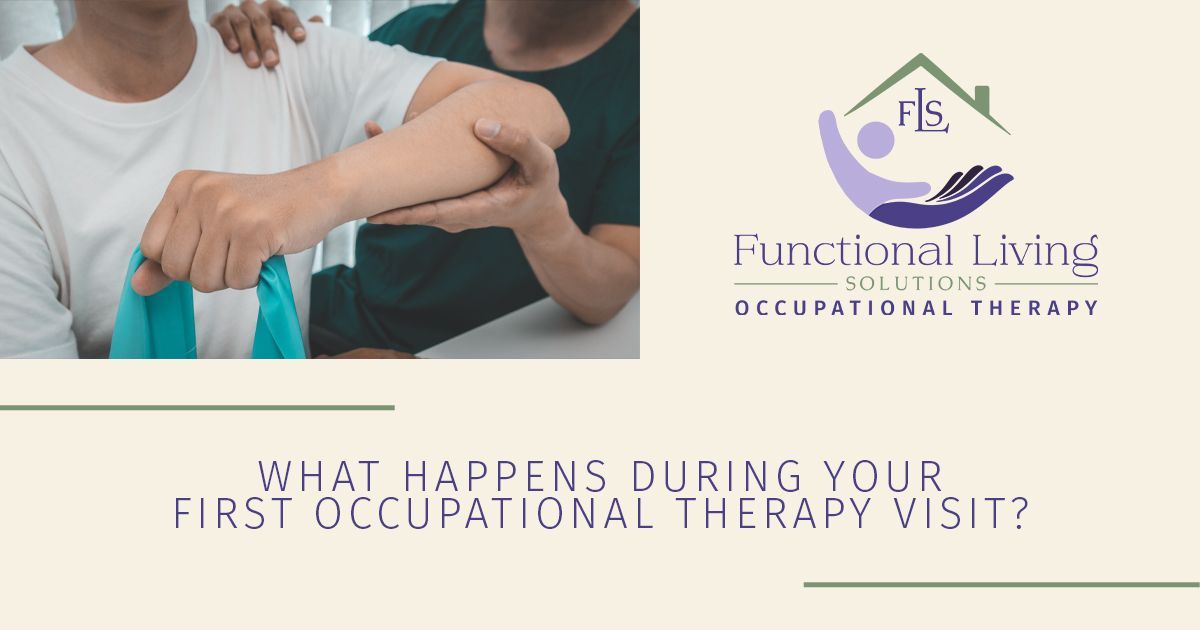
During your first visit, your occupational therapist will ask about the problems you are having and the activities you want to improve.
The evaluation may include checking:
· Pain
· Strength
· Movement
· Swelling
· Grip
· Coordination
· Sensation
· Arm and hand use
· Daily activities
You and your therapist will then create goals and a treatment plan.
Occupational therapy is personal. Two people with the same diagnosis may have very different needs. Your care should focus on your life, your activities, and your goals.

Could Occupational Therapy Help You?
You do not have to wait until pain or weakness takes away your independence. If a problem is changing how you work, care for yourself, manage your home, or enjoy your life, it may be time to ask for help.
Functional Living Solutions Occupational Therapy provides personalized, one-on-one care for adults and teens in Monroe, Michigan. Services focus on upper-extremity conditions, orthopedic concerns, stroke and neurological recovery, chronic pain, and daily function.
Contact Functional Living Solutions Occupational Therapy to find out if an occupational therapy evaluation may be right for you.
Insurance note: Insurance rules vary. Some plans may require a referral or approval before treatment begins.
Frequently Asked Questions
Do I Need a Doctor's Referral for Occupational Therapy?
It depends on your insurance plan and condition. Some insurance plans require a referral or approval. Contact Functional Living Solutions Occupational Therapy so we can help you find out what may be needed.
Can Occupational Therapy Help with Shoulder, Elbow, Wrist, or Hand Pain?
Yes. Occupational therapists can treat many upper-extremity problems. Treatment may address pain, weakness, movement, coordination, and trouble with daily activities.
Can Occupational Therapy Help Years After a Stroke?
An occupational therapy evaluation may still be helpful months or years after a stroke. This is especially true if your abilities have changed, your arm has become tighter, or you have new goals.
What Should I do if My Arm Suddenly Becomes Weaker?
Sudden weakness, numbness, trouble speaking, facial drooping, or a sudden loss of coordination may be signs of a stroke. Call 911 right away. Do not wait for an occupational therapy appointment.
Recent Posts